
Can Rats Eat Pumpkin? Benefits, Risks, and Safe Feeding Tips
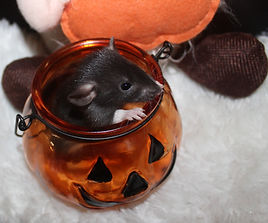
Pumpkin is one of those foods that makes pet owners pause. It looks wholesome, it shows up in pet treat recipes everywhere, and it smells mild enough that a curious rat will usually investigate it within seconds. But safe for people does not always mean safe for rats.
The short answer is yes, pet rats can eat pumpkin. Plain pumpkin can be a healthy treat when served in small amounts and prepared without sugar, salt, spices, butter, or pie filling ingredients. It offers water, fiber, and useful plant nutrients, and many rats enjoy the soft texture.
The longer answer is more useful: pumpkin should be an add-on, not a main food. Rats do best when most of their diet comes from a high-quality rodent block or lab pellet, with vegetables, grains, proteins, and treats added in balanced amounts. Pumpkin fits well into that pattern, especially as an occasional fresh food or enrichment snack.
This guide covers what pumpkin can do for rats, when to be cautious, how to prepare it safely, and simple ways rat owners use it without turning treat time into a stomachache.
Rats can eat plain pumpkin in small amounts
Plain pumpkin is safe for healthy adult rats when it is fresh, clean, and offered in moderation. That includes cooked pumpkin, raw pumpkin flesh, and plain canned pumpkin with no added ingredients.
The key word is plain.
Rats should not eat pumpkin pie filling, pumpkin spice desserts, pumpkin bread, or sweetened canned pumpkin. Those foods often contain sugar, salt, dairy, oils, nutmeg, cinnamon blends, or other ingredients that do not belong in a rat’s diet. Nutmeg is a special concern because it can be unsafe for pets in meaningful amounts, and baked goods often come with extra fat and sugar.
The safest options are:
Fresh pumpkin flesh
Cooked pumpkin with nothing added
Plain canned pumpkin
A few unsalted pumpkin seeds, served rarely
Homemade pumpkin puree with no seasoning
Pumpkin skin is not toxic in the way some plants are, but it is tough and harder to chew. Many rats ignore it, while others may gnaw at it. For regular feeding, remove the hard rind and serve the softer flesh. The stringy center is also safe if fresh, but it can be messy and may spoil faster, so many owners remove it.
For Fancy Rats, food variety matters, but consistency matters more. Pumpkin should sit in the “healthy treat” category alongside foods like peas, broccoli, cooked squash, small bits of apple, or cooked grains. It should not replace the staple diet.
A good starting portion is about half a teaspoon to one teaspoon per rat, depending on the rat’s size and what else they ate that day. Very young rats, elderly rats, or rats with sensitive digestion may do better with an even smaller taste at first.
If a rat has never had pumpkin before, start tiny. Offer a pea-sized amount and watch the litter box over the next day. If stools stay normal and the rat acts well, pumpkin can become an occasional part of the fresh-food rotation.
That simple “start small” rule prevents most feeding problems.
Pumpkin has real nutritional benefits for rats
Pumpkin is not a miracle food, but it does bring several practical benefits. According to USDA FoodData Central, plain pumpkin is mostly water, contains carbohydrates and fiber, and is naturally low in fat. It also contains carotenoids, including beta-carotene, the orange pigment that the body can use to make vitamin A as needed.
For rats, those traits make pumpkin useful in a few ways.
Pumpkin adds moisture
Fresh pumpkin has a high water content. That makes it a soft, hydrating treat, especially for rats that are picky about drinking or are recovering from a stressful event like a cage move.
Moist foods are not a substitute for clean water, of course. Rats should always have access to fresh water in a bottle or bowl. But small portions of water-rich vegetables can support normal hydration as part of a varied diet.
This is one reason cooked pumpkin is popular among rat owners with older rats. Soft foods are easier for some seniors to manage, especially if they have reduced appetite or dental wear. A spoon-tip of pumpkin mixed with softened pellets can make a familiar food more appealing without adding junk ingredients.
Pumpkin provides fiber
Pumpkin contains dietary fiber, which helps add bulk to food moving through the digestive tract. In many animals, including rats, fiber supports normal gut function when given in reasonable amounts.
The warning is that more is not always better. Too much pumpkin can loosen stools, especially if a rat eats a big serving all at once. Rats are small animals, so a “small scoop” by human standards can be a lot of food for them.
Think of pumpkin as a garnish, not a side dish.
A practical portion looks like this:
Rat situation | Sensible pumpkin amount | How often to offer it |
First taste | Pea-sized amount | Once, then wait a day |
Healthy adult rat | 1/2 to 1 teaspoon | 1 to 2 times per week |
Older rat or picky eater | 1/4 to 1/2 teaspoon mixed into food | As needed, with diet balance in mind |
Rat with loose stool | Avoid until normal | Ask a vet if it continues |
These amounts are general feeding guidelines, not medical treatment. A rat with diarrhea, weight loss, bloating, lethargy, or poor appetite should be seen by a veterinarian who treats small mammals.
Pumpkin contains beta-carotene and other plant nutrients
Pumpkin’s orange color comes largely from carotenoids. Beta-carotene is the best known of these compounds because animals can convert some of it into vitamin A. Vitamin A supports normal vision, skin, immune function, and growth.
That does not mean rats need pumpkin for vitamin A. A complete rodent block should already provide the needed vitamins and minerals. Pumpkin simply adds some plant variety and makes the diet more interesting.
This distinction matters. With pet rats, the goal is not to build the diet around one “superfood.” A strong Rat Nutrition plan starts with a balanced staple food, then uses fresh foods for variety, enrichment, and extra nutrients.
Pumpkin is low in fat compared with many treats
Many foods rats love are rich. Nuts, seeds, cheese, meat scraps, and baked goods can add up fast. Pumpkin gives rats something soft and flavorful without the fat load of many common treats.
That makes it useful during training or bonding, as long as the portion is tiny. Some rats will lick pumpkin from a spoon, which gives a nervous rat a reason to come closer without needing to grab food from a hand. Others prefer it smeared thinly on a ceramic dish or tucked inside a foraging toy.
One rat owner described using plain pumpkin during introductions to a new cage layout. Their shy rat would not take hard treats when the cage changed, but would come out for a thin smear of pumpkin on a familiar spoon. That kind of use makes sense. The pumpkin was not the diet. It was a low-pressure bridge between stress and normal routine.
Pumpkin can make food enrichment easier
Rats are intelligent animals that benefit from problem-solving. Pumpkin’s texture makes it easy to use in enrichment because it sticks to surfaces and carries scent well.
Try a small amount:
Spread thinly on a washable plate
Stuffed into a cardboard tube with hay or shredded paper around it
Mixed with a few soaked pellets
Dabbed inside a puzzle feeder
Frozen in tiny dots for warm days
The treat itself is only part of the benefit. The bigger win is that the rat has something to sniff, lick, dig at, and figure out.
Pumpkin still comes with risks and precautions
Pumpkin is safe when served correctly, but it can cause problems if it is overfed or mixed with unsafe ingredients.
Too much pumpkin can upset digestion
The most common issue is soft stool. Pumpkin’s water and fiber content can be helpful in small amounts, but a large serving may move through the gut too quickly.
Signs a rat had too much include:
Softer droppings than usual
Messier cage corners
Less interest in the next meal
Mild belly discomfort
Food hoarding without eating
If this happens after pumpkin, stop offering it and return to the normal diet. Most mild food-related stool changes settle once the new food is removed. If symptoms continue, or if the rat seems weak, puffed up, cold, hunched, or uninterested in food, contact an exotic pet veterinarian.
Rats can hide illness well. Digestive changes that seem minor at first can matter more in a small animal.
Pumpkin pie filling is not safe rat food
Canned pumpkin and canned pumpkin pie filling are easy to confuse. Their labels can look similar, and both may sit next to each other in US grocery stores.
Plain canned pumpkin should list pumpkin as the only ingredient, or close to it. Pumpkin pie filling usually contains sugar and spices. It may also contain salt or other additives.
For rats, choose the can that says plain pumpkin puree, not pie mix. If the ingredient list reads like dessert, skip it.
The same rule applies to seasonal foods. A bite of pumpkin muffin, pumpkin cookie, pumpkin pancake, or pumpkin spice latte foam is not a rat-friendly treat. It may seem cute, but it teaches rats to expect sweet, fatty human food and can crowd out healthier options.
Pumpkin seeds should be limited
Pumpkin seeds, also called pepitas when shelled, are not poisonous to rats. The issue is that seeds are calorie-dense and higher in fat than pumpkin flesh.
A plain, unsalted pumpkin seed can be a useful high-value treat. It works well for training because it is small and easy to hand over. But a handful is too much.
A safer pattern is one seed per rat on occasion, preferably hulled or broken for smaller rats. Avoid salted, seasoned, roasted-in-oil, candy-coated, or spicy seeds.
Whole seeds from a fresh pumpkin can also be slippery and tough. If serving them, rinse them well and let them dry. Some owners lightly toast them with no oil or salt to improve texture, then serve only one or two.
Moldy pumpkin is dangerous
Pumpkin spoils quickly once cut. Soft foods can grow mold, ferment, or attract insects if left in the cage too long.
Remove uneaten pumpkin after a short feeding window. A good rule is to take fresh foods out within a couple of hours, sooner if the room is warm.
Do not feed:
Moldy pumpkin
Slimy pumpkin
Sour-smelling pumpkin
Pumpkin left in the cage overnight
Jack-o’-lantern scraps from outdoors
Decorative pumpkins treated with paint, sealants, glitter, or wax
Halloween pumpkins deserve extra caution. A carved pumpkin that has sat outside can collect bacteria, mold, dirt, insects, candle residue, or wildlife contamination. Even if it started as food-safe, it is no longer a good treat for rats after display.
Some rats need extra caution
Pumpkin is mild, but not every rat should eat every treat.
Use more caution with rats that have:
Ongoing diarrhea or digestive disease
Diabetes or blood sugar concerns, if diagnosed by a vet
Kidney disease or other chronic illness
Poor appetite with weight loss
Recent surgery or antibiotic use
A history of reacting poorly to new foods
In those cases, ask a veterinarian before adding new foods. Pumpkin is often gentle, but a sick rat needs a diet plan based on the actual condition, not general feeding advice.
Also be careful with baby rats. Young rats can taste fresh foods once they are eating solids, but their main diet should support growth. Too many watery treats can reduce the amount of balanced food they eat.
Prepare pumpkin safely before feeding it
Safe pumpkin preparation is simple. The goal is to remove dirt, avoid seasoning, serve a small amount, and store leftovers correctly.
Choose the right pumpkin
For fresh pumpkin, choose one that is firm, uncut, and free of soft spots or mold. Smaller sugar pumpkins are often easier to cook than large carving pumpkins, though both can be edible if fresh and clean.
For canned pumpkin, choose plain pumpkin puree. Read the label. The ingredient list should not include sugar, spices, milk, butter, onion, garlic, or sweeteners.
Avoid decorative pumpkins that may have been sprayed, painted, or treated. If you would not prepare it for your own kitchen, do not feed it to rats.
Wash and cut it cleanly
Wash the outside before cutting. Even though rats eat the inside, the knife passes through the skin and can carry dirt into the flesh.
Then:
Cut the pumpkin open on a stable surface.
Scoop out the seeds and stringy center.
Remove the rind from the portion you plan to serve.
Cut the flesh into small pieces for cooking or serving.
Raw pumpkin flesh is safe for many rats, but some may find it too firm or bland. Cooked pumpkin is usually easier to chew and digest.
Cook it without additions
The safest cooking methods are steaming, baking, or microwaving with a little water. Do not add butter, oil, salt, sugar, cinnamon, pumpkin spice, maple syrup, or honey.
Cook until the flesh is soft, then let it cool completely. Mash it with a fork or cut it into tiny cubes.
A smooth mash is useful for older rats or rats that need softer food. Cubes are better for rats that enjoy carrying food away and nibbling. Both are fine as long as the pieces are manageable.
Serve a tiny portion
For a first serving, offer a pea-sized taste. For rats that already tolerate pumpkin, offer about half a teaspoon to one teaspoon.
Serve it in a small dish if you want less mess. If you want enrichment, smear a thin layer on a plate or hide a dab in a toy. Avoid placing wet pumpkin directly on wood shelves, fabric hammocks, or absorbent bedding unless you enjoy cleaning orange stains.
A funny pattern many rat owners mention is the “pumpkin hands” phase. A rat steps in the puree, licks one paw, walks across a shelf, then looks offended that everything is sticky. Using a shallow ceramic dish can save both the cage and the rat’s dignity.
Store leftovers safely
Cooked pumpkin can be stored in the refrigerator for a few days in a sealed container. For longer storage, freeze it in small portions.
A handy method is to spoon tiny dots onto parchment paper, freeze them, then move the frozen drops into a freezer bag. Each dot becomes a rat-sized portion. Thaw before feeding, or offer a very small frozen lickable portion during hot weather if the rat handles cold foods well.
Discard leftovers if they smell sour, grow mold, or change texture.
Use pumpkin as a treat, training food, and enrichment tool
The best way to feed pumpkin is to make it part of a varied routine. Rats thrive on predictability in their staple diet and variety in their extras.
A balanced weekly fresh-food rotation might include leafy greens, small portions of cooked grains, peas, broccoli, berries, cucumber, squash, and pumpkin. The exact mix will vary, but the principle stays the same: small amounts, many safe foods, and no single treat taking over.
If advice from a Rat Nutrition group, a Rats and Pets forum, or a Rat Breeder disagrees on exact portions, look for the shared ground. Most experienced keepers agree that plain produce should supplement a complete base diet, treats should stay small, and sudden diet changes can upset digestion.
Mix pumpkin with regular food
One of the easiest uses is mixing a small amount of pumpkin with regular pellets.
This can help when:
A rat is bored with the same texture
An older rat prefers softer food
A new rat is nervous but curious
A rat needs encouragement to eat after a stressful change
Use just enough pumpkin to lightly coat or soften the pellets. The mixture should still be mostly staple food.
Do not leave a wet pellet mash in the cage for long. It spoils faster than dry food.
Make a simple pumpkin forage plate
A forage plate turns a teaspoon of pumpkin into an activity.
Try this:
A thin smear of plain pumpkin
A few fresh herbs like parsley or cilantro
One or two peas
A pinch of plain oats
A few pieces of shredded paper around the edges for digging
Place the plate in a washable area. Rats will lick, sniff, sort, drag, and rearrange. That is normal rat dining, not bad manners.
One owner’s common observation sums it up well: the bold rat eats first, the cautious rat steals the plate garnish, and the clever rat tries to carry the whole dish into a hideout. Pumpkin works for all three because it rewards different behaviors.
Use pumpkin for bonding
Pumpkin can help with trust-building because it is lickable. A rat that is not ready to take a treat from fingers may still lick pumpkin from a spoon. That keeps hands at a comfortable distance while creating a positive association.
For shy rats, place a tiny dab near the front of the cage and sit quietly nearby. Over time, move the spoon slightly closer. Let the rat choose the pace. Forced handling can break trust, while calm food routines often build it.
Keep sessions short. Stop while the rat is still relaxed.
Offer pumpkin in warm and cold seasons
Pumpkin is not only a fall food. Plain canned pumpkin is available year-round, and frozen homemade portions can stretch a fresh pumpkin well past October.
In cooler months, serve a small spoonful at room temperature with a warm pellet mash. In summer, a chilled dab on a ceramic saucer can be a pleasant treat. Avoid giving large frozen chunks, especially to elderly rats or rats with dental issues.
Temperature matters less than portion size and freshness.
Keep the full diet in view
Pumpkin should not crowd out protein, fat, minerals, or the balanced nutrients in a complete rat food. Pet rats need a diet built for omnivorous rodents, not a random mix of produce and pantry scraps.
Most healthy adult rats do well with a quality commercial rat block as the core of the diet. Fresh foods then provide interest and variety. Treats like pumpkin seeds, nuts, cooked pasta, and fruit should stay occasional.
A simple way to judge treat balance is to look at what is left in the bowl. If rats eat pumpkin and ignore their staple food, the serving may be too large or offered too often. If they finish normal food and enjoy a small pumpkin treat on the side, the balance is better.
The best answer is yes, with plain pumpkin and small portions
Rats can eat pumpkin, and many enjoy it. Plain pumpkin offers moisture, fiber, beta-carotene, and a soft texture that works well for enrichment, bonding, and variety. It is especially useful when served as a tiny spoonful, a pellet topper, or a lickable treat for shy or older rats.
The safety rules are straightforward:
Feed plain pumpkin only.
Skip pumpkin pie filling and spiced desserts.
Start with a tiny amount.
Limit seeds because they are rich.
Remove leftovers before they spoil.
Keep the balanced staple diet as the main meal.
Pumpkin is at its best when it makes a good diet more interesting. A small orange smear on a plate can turn snack time into sniffing, licking, stealing, and happy little paw prints. For rats, that is often the perfect kind of treat.


Comments