
Signs Your Rat May Have an Ear Infection and How to Treat It

One common problem that rat owners might encounter is an ear infection. Identifying an ear infection early can prevent discomfort and more serious complications for your pet. This guide explains how to recognize the signs of an ear infection in your rat and what steps you can take to help your furry friend recover.
How Ear Infections Develop in Rats
Ear infections in rats often occur when bacteria, yeast, or mites invade the ear canal. These infections can result from poor cage hygiene, injuries, allergies, or underlying health problems. Since rats have small, delicate ears, even minor irritations can lead to infections if left untreated.
Understanding the causes helps in preventing infections and recognizing symptoms early.
Common Signs Your Rat Has an Ear Infection
Rats cannot tell us when they feel pain, so it’s important to watch for physical and behavioral changes. Here are the most common signs that suggest your rat might have an ear infection:
Head tilting or tilting to one side
If your rat consistently tilts its head, it may indicate discomfort or balance issues caused by an ear infection.
Scratching or pawing at the ear
Frequent scratching or rubbing of the ear can signal irritation or itching.
Redness or swelling around the ear
Look closely for inflamed skin or swelling near the ear canal.
Discharge or crusting
A yellow, brown, or bloody discharge from the ear is a strong sign of infection.
Unusual odor
A foul smell coming from the ear may indicate bacterial or yeast growth.
Loss of balance or difficulty walking
Inner ear infections can affect balance, causing your rat to stumble or fall.
Reduced activity or hiding
Pain or discomfort may make your rat less active or more withdrawn.
Scratching causing hair loss or wounds
Persistent scratching can lead to hair loss or open sores around the ear.
If you notice one or more of these signs, it’s important to act quickly to prevent the infection from worsening.
How to Check Your Rat’s Ears Safely
Before treating or seeking help, you need to examine your rat’s ears carefully:
Find a quiet, well-lit area
This helps keep your rat calm and allows you to see clearly.
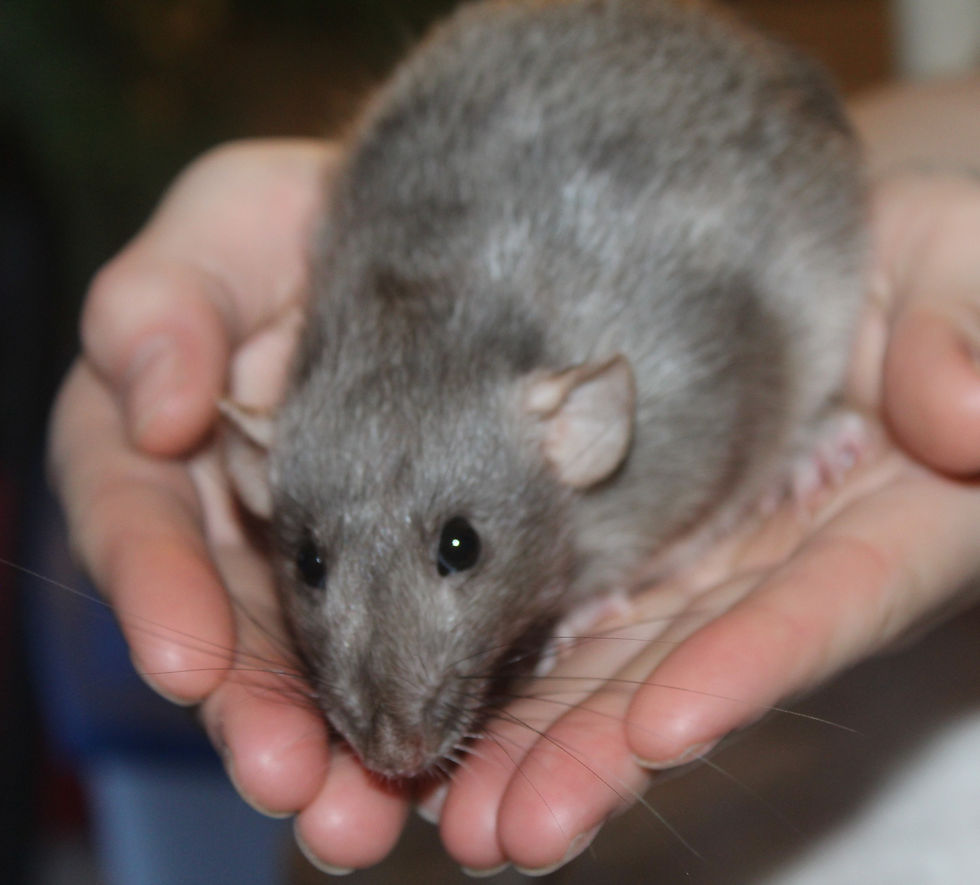
Gently hold your rat
Support its body securely but gently to avoid stress.
Inspect the outer ear and ear canal
Use a flashlight or a magnifying glass if needed. Look for redness, swelling, discharge, or mites.
Avoid poking inside the ear canal
Do not insert cotton swabs or objects deep into the ear, as this can cause injury.
If you see signs of infection or your rat shows discomfort during the check, it’s best to consult a veterinarian.
What to Do If Your Rat Has an Ear Infection
Ear infections require proper care to heal. Here are steps to take if you suspect your rat has an ear infection:
Visit a Veterinarian
A vet experienced with small animals can provide an accurate diagnosis and recommend treatment. They may:
Take a sample of discharge to identify the infection type
Prescribe antibiotics or antifungal medication
Suggest ear cleaning techniques or medicated drops
Keep Your Rat’s Environment Clean
Clean cages reduce the risk of infections. Regularly:
Change bedding
Remove waste and uneaten food
Disinfect food bowls and water bottles
Administer Medication Carefully
Follow the vet’s instructions exactly. Use the prescribed ear drops or oral medication for the full course, even if symptoms improve quickly.
Monitor Your Rat’s Behavior and Symptoms
Watch for improvement or worsening signs. If symptoms persist after treatment, return to the vet for a follow-up.
Avoid Home Remedies Without Guidance
Do not use human ear drops or home treatments without veterinary advice. Some substances can harm your rat’s sensitive ears.
Preventing Ear Infections in Rats
Prevention is better than cure. Here are practical tips to keep your rat’s ears healthy:
Maintain a clean cage environment
Provide a balanced diet to support immune health
Avoid overcrowding to reduce stress and spread of infections
Regularly check your rat’s ears for early signs of problems
Handle your rat gently to avoid ear injuries
When to Seek Emergency Care
If your rat shows severe symptoms such as:
Sudden loss of balance or paralysis
Intense pain or swelling
High fever or lethargy
Seek emergency veterinary care immediately. These signs may indicate a serious infection or other health issues.
Summary
Ear infections in rats can cause discomfort and serious health problems if ignored. Watch for signs like head tilting, ear scratching, discharge, and changes in behavior. A vet visit is essential for proper diagnosis and treatment. Keeping your rat’s environment clean and monitoring their health regularly helps prevent infections. Acting quickly when symptoms appear ensures your rat stays happy and healthy.
If you suspect your rat has an ear infection, don’t wait. Contact your veterinarian to get the right care and support your pet’s recovery.


Comments