
Top Carriers for Safe and Stress-Free Rat Transportation

Transporting pet rats can be a challenge. These small, curious creatures need a carrier that keeps them safe, comfortable, and calm during travel. Choosing the right carrier and knowing how to use it properly can make a big difference in reducing stress for both the rats and their owners. This guide explores the best carriers for transporting rats and offers practical tips to ensure a smooth journey.
Why Choosing the Right Carrier Matters
Rats are sensitive animals. They can easily become stressed by unfamiliar environments, loud noises, or cramped spaces. A poor carrier choice can lead to anxiety, injury, or escape attempts. On the other hand, a well-designed carrier provides:
Safety from falls or sudden stops
Ventilation to keep air fresh
Comfort with enough space and soft bedding
Security to prevent escapes
Understanding these needs helps in selecting a carrier that supports your rat’s well-being during travel.
Types of Carriers Suitable for Rats
Several types of carriers work well for transporting rats. Each has pros and cons depending on the trip length, mode of transport, and number of rats.
Hard Plastic Carriers
These carriers are sturdy and offer excellent protection. They usually have a solid base and a secure top with ventilation holes or mesh windows.
Advantages:
Durable and impact-resistant
Easy to clean
Good ventilation options
Disadvantages:
Can be heavy
Limited visibility for rats
Hard plastic carriers are ideal for car trips or vet visits. Look for models with a secure latch and smooth edges to avoid injury.
Soft-Sided Carriers
Soft carriers are made from fabric with mesh panels for airflow. They are lightweight and often foldable for easy storage.
Advantages:
Lightweight and portable
Good ventilation through mesh
Comfortable interior
Disadvantages:
Less protection from impacts
Can be chewed through if not reinforced
Soft-sided carriers work well for short trips or when carrying rats by hand. Choose one with chew-proof materials and a sturdy frame.
Wire Cages with Carry Handles
Some owners prefer small wire cages with handles for transport. These provide excellent ventilation and visibility.
Advantages:
Great airflow
Easy to see and interact with rats
Secure locking mechanisms
Disadvantages:
Less protection from weather or bumps
Can be noisy during travel
Wire cages suit calm rats on short trips. Adding soft bedding and a cover can improve comfort and reduce noise.
DIY Carriers
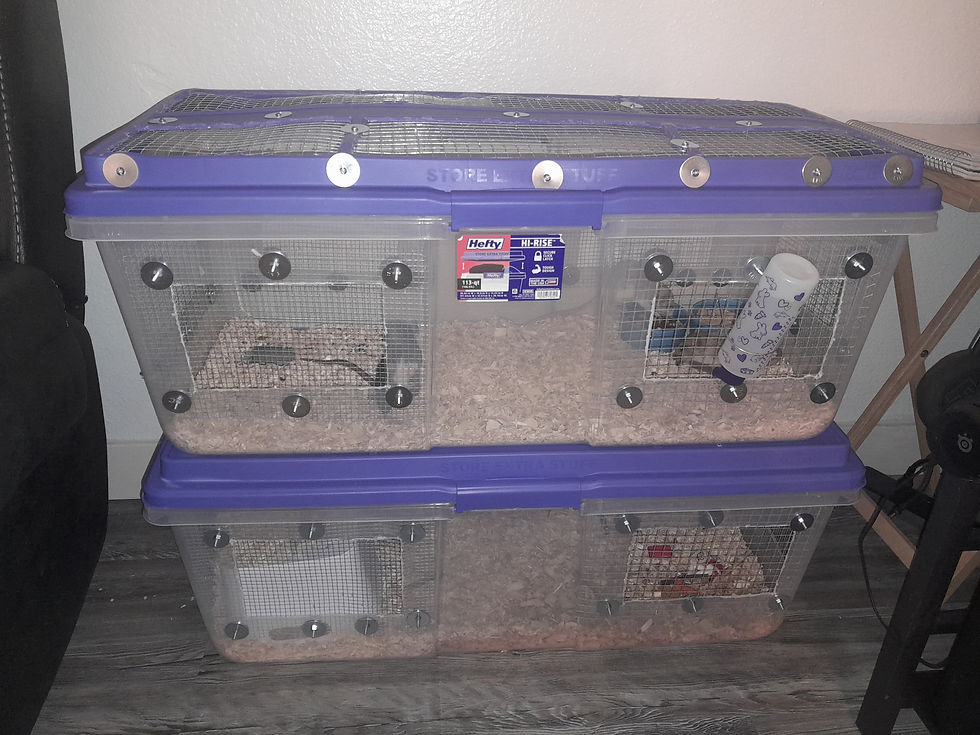
Some rat owners create custom carriers using plastic bins or boxes with added ventilation holes.
Advantages:
Customizable size and features
Cost-effective
Disadvantages:
Requires effort and skill to make safe
May lack professional safety features
DIY carriers can work if carefully designed but always prioritize safety and ventilation.
Features to Look for in a Rat Carrier
When selecting a carrier, focus on these key features:
Size: Enough room for rats to move but not so large they get tossed around
Ventilation: Multiple vents or mesh panels for airflow
Security: Strong latches or zippers to prevent escapes
Comfort: Smooth interior surfaces and space for bedding
Portability: Handles or straps for easy carrying
Avoid carriers with sharp edges, loose parts, or materials that rats can chew through easily.
Preparing Your Rat for Transport
Before placing your rat in the carrier, take steps to reduce stress:
Familiarize the carrier: Let your rat explore the carrier at home with treats inside
Use bedding: Add soft, absorbent bedding for comfort and to absorb accidents
Include hiding spots: Small boxes or tunnels inside the carrier help rats feel secure
Keep the carrier stable: Avoid shaking or sudden movements during travel
Maintain temperature: Ensure the carrier is not exposed to extreme heat or cold
These preparations help your rat feel safer and more relaxed.
Tips for Transporting Rats Safely
Limit travel time: Keep trips as short as possible
Avoid loud noises: Cover the carrier with a light cloth to reduce noise and visual stress
Monitor your rat: Check on them regularly without opening the carrier too often
Provide hydration: For longer trips, offer water in a secure bottle or soaked bedding
Plan breaks: For extended travel, stop to check on your rat and offer food or water
Following these tips reduces the risk of stress and health issues during transport.
Recommended Carriers for Different Needs
Here are some popular carriers that meet the needs of rat owners:
MidWest Critter Nation Travel Carrier
Hard plastic base with wire top
Secure latches and good ventilation
Spacious enough for multiple rats
Easy to clean
Sherpa Original Deluxe Pet Carrier
Soft-sided with mesh panels
Lightweight and portable
Padded interior for comfort
Airline approved for small pets
Prevue Hendryx Small Animal Carrier
Wire cage with plastic base
Strong handle and secure door
Great airflow and visibility
Suitable for short trips
Custom Plastic Bin Carrier
DIY option with drilled ventilation holes
Add bedding and hiding spots
Cost-effective and customizable
Each option suits different travel styles and rat personalities.
Handling Multiple Rats During Transport
If transporting more than one rat, consider these points:
Use a larger carrier with enough space for all rats
Provide multiple hiding spots to reduce territorial stress
Monitor interactions to prevent fighting
Avoid overcrowding to maintain airflow and comfort
A well-planned setup keeps rats calm and safe.
What to Avoid When Transporting Rats
Using carriers designed for other animals without proper modifications
Leaving rats unattended in hot or cold vehicles
Using carriers with poor ventilation or sharp edges
Overcrowding or using carriers too small for the number of rats
Ignoring signs of stress or illness during travel
Avoiding these mistakes ensures a safer trip.
Final Thoughts on Transporting Rats
Choosing the right carrier and preparing your rats properly makes travel less stressful and safer. Hard plastic carriers offer strong protection, while soft-sided options provide comfort and portability. Wire cages work for short trips with calm rats. Always prioritize ventilation, security, and comfort.
By planning ahead and using a suitable carrier, you help your rats stay calm and healthy during transport. Whether it’s a quick vet visit or a longer journey, the right carrier supports a smooth experience for both you and your pets.

Comments