
Rat Bite vs Rat Nibble What You Need to Know
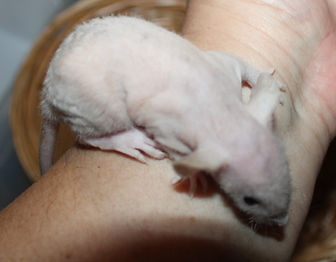
A rat’s teeth can do two very different things. They can test, groom, explore, warn, or injure. The difference between a rat nibble and a rat bite matters because one may be normal behavior, while the other may need first aid, medical care, and a closer look at what caused it.
Rats are not out looking to bite people. Domestic rats, including Fancy Rats, often use their mouths the way people use their hands, to investigate food, fabric, skin, bedding, or a new object. Wild rats are another matter. They are more likely to bite when trapped, sick, frightened, or handled.
This guide explains how to tell a bite from a nibble, why each happens, what signs to watch for, and how to respond safely. It is general health information, not a substitute for medical advice. When a wound breaks the skin or symptoms appear, a health care professional is the right source for diagnosis and treatment.
What makes a rat bite different from a rat nibble
A rat nibble is usually light, controlled mouth contact. A rat bite is stronger, sharper, and more likely to cause injury. The line can feel blurry in the moment, especially because rat incisors are long, hard, and very sharp.
Rats have open-rooted incisors, meaning the front teeth keep growing throughout life. They manage this by gnawing. That is one reason rats mouth objects so often. A rat may touch skin with its teeth without intending to injure. A true bite usually involves pressure, fear, pain, or defensive behavior.
Feature | Rat nibble | Rat bite |
Pressure | Light or moderate, often brief | Firm, sudden, or clamped down |
Skin damage | Usually none, or a tiny scrape | Punctures, cuts, bleeding, or bruising |
Body language | Curious, calm, sniffing, grooming | Tense, cornered, startled, puffed fur, squeaking |
Common reason | Exploration, grooming, food testing | Fear, pain, territorial response, rough handling |
Health concern | Low if skin stays intact | Higher because bacteria can enter the wound |
A rat nibble is controlled mouth contact
A nibble often feels like a pinch, tickle, scrape, or gentle pinch-and-release. It may happen when a rat explores fingers, checks whether skin has food residue, grooms a person, or tests fabric.
Common signs of a nibble include:
No bleeding
No deep mark
Brief contact with quick release
Repeated tiny mouth touches rather than one hard strike
Calm behavior before and after
Interest in smell, food, or texture
A pet rat may nibble a fingernail, sleeve, hangnail, scab, ring, or bandage because it smells odd or has texture. Some rats gently groom trusted people by licking and using their teeth in tiny scraping movements. This can feel surprising, but it is not the same as a defensive bite.
Baby rats are especially mouthy. Like puppies and kittens, they learn about the world through their mouths. They also learn bite inhibition from littermates and humans who handle them gently. A young rat that nibbles too hard may not be aggressive. It may be inexperienced.
A rat bite is forceful enough to injure
A rat bite usually has a clear “that hurt” quality. It may be sudden, deep, and painful. A bite can leave one or two punctures from the incisors, a cut, or a torn area if the person pulls away while the rat is still holding on.
Signs that point to a bite include:
Broken skin
Bleeding
Deep puncture marks
Bruising or swelling soon after
Pain that lasts after the contact ends
A rat that lunged, squealed, froze, puffed up, or tried to escape
Rat bites can look small at first. Puncture wounds are deceptive because the surface opening may be tiny while bacteria have been pushed deeper into tissue. Bites to the hand are especially concerning because tendons, joints, and small spaces in the hand can become infected more easily than many other areas.
The term Rat Bites often gets used for any tooth contact, but medically, the key issue is whether the skin broke and whether the wound shows signs of infection.
Why rats nibble, nip, or bite
Rat behavior usually has a reason. Understanding the cause helps prevent the behavior from happening again. It also lowers the chance of punishing or scaring a rat for something that was normal communication.
Exploration and food testing
Rats have a strong sense of smell. If fingers smell like peanut butter, fruit, cereal, meat, pet treats, or another animal, a rat may test the skin with its teeth. This can look like a nibble or a quick nip.
This is common with Pet Rats, especially when treats are hand-fed through cage bars. A rat may learn that anything pushed through the bars is food. Later, when a finger appears, the rat grabs first and checks later.
To reduce food-related nips:
Wash hands before handling
Offer treats on a flat palm or spoon
Avoid poking fingers through cage bars
Use the same calm routine before picking up the rat
Teach children not to tease rats with food
Grooming and social behavior
Rats are social animals. They groom each other to clean fur, maintain bonds, and signal comfort. A relaxed rat may groom a human’s hand, arm, hair, or clothing. Grooming can include licking, gentle scraping with teeth, and little nibbles.
This behavior is usually soft and repetitive. The rat may sit still, brux, or look relaxed. Bruxing is the grinding or chattering of teeth. In relaxed rats, it can happen during calm handling, much like a cat purring. Context matters, since teeth chattering can also appear in tense situations.
If grooming hurts, give feedback without scaring the rat. A small “eep” sound, a still hand, and a brief pause can teach that the pressure was too hard. Jerking away can make the rat clamp or startle.
Fear and defensive behavior
A frightened rat may bite to create distance. This is more common when a rat feels trapped, cornered, grabbed from above, awakened suddenly, or handled before it trusts people.
Warning signs can include:
Freezing in place
Flattened body posture
Puffing up fur
Tail lashing
Loud squeaks
Boxed-in movement
Lunging or striking at a hand
Avoiding contact and hiding
Rats are prey animals. A hand coming from above can feel like a predator. Scooping from the side, supporting the body, and allowing the rat to step onto the hand can reduce fear.
Wild rats should not be handled. If a wild rat is trapped, injured, or inside a home, contact local animal control or pest management professionals. Handling a wild rat raises the risk of bites, scratches, and exposure to urine or droppings.
Pain, illness, pregnancy, or hormones
A rat that suddenly bites after being gentle may hurt. Pain can come from injury, dental disease, arthritis, abscesses, tumors, or internal illness. Rats hide sickness well, so behavior changes matter.
Watch for signs such as:
Hunched posture
Fluffed fur
Reduced appetite
Weight loss
Red staining around eyes or nose
Labored breathing
Limping
Reluctance to be touched
Sudden aggression toward cage mates or people
Female rats may become more protective when pregnant or nursing. Some intact males may show hormonal aggression, though domestic rat temperament varies widely. A veterinarian who treats small mammals can help determine whether pain, illness, or hormones are part of the problem.
Territorial or cage-related biting
Some rats are calm outside the cage but bite when a hand enters their space. This can happen when the rat guards a nest, food, cage corner, or sleeping area.
A practical fix is to stop reaching directly into the rat’s safe zone. Open the cage, let the rat come out, and clean or rearrange only when the rat is in a playpen, carrier, or another secure area. Training with a target stick, carrier, or treat station can make cage time safer.
Good breeding and early handling also matter. A responsible Rat Breeder selects for steady temperament and handles young rats gently during development. For people choosing Rats as pets, temperament and early socialization are just as important as color or coat type.
Health risks after a rat bite or nibble
The health risk depends on whether the skin broke, the rat’s health and environment, the wound location, and the person’s immune status. A nibble on clean, unbroken skin is usually low risk. A bite that breaks the skin needs careful cleaning and monitoring.
Bacterial infection is the main concern
Rat mouths can carry bacteria, just as human, cat, and dog mouths can. When teeth puncture skin, bacteria can enter tissue. Infection may develop locally around the wound or, less commonly, spread.
Signs of a local wound infection include:
Increasing redness
Warmth around the wound
Swelling
Worsening pain
Red streaks moving away from the bite
Pus or cloudy drainage
Fever or chills
Tender swollen lymph nodes
Do not rely on wound size alone. A small puncture can still become infected, especially on hands, fingers, wrists, feet, face, or near a joint.
Rat-bite fever is rare but serious
Rat-bite fever is a bacterial illness associated with rat bites, scratches, and sometimes contact with rat saliva, urine, or droppings. In North America, the bacterium most often linked to it is Streptobacillus moniliformis. Another form, linked to Spirillum minus, is reported more often in parts of Asia.
The Centers for Disease Control and Prevention describes rat-bite fever as a potentially serious illness that can occur after exposure to infected rodents. It is treatable with antibiotics, but delayed care can lead to complications.
Possible signs include:
Fever
Vomiting
Headache
Muscle pain
Joint pain or swelling
Rash, often on hands or feet
A wound that seems to heal, followed by illness days later
Symptoms may appear several days after exposure, and sometimes later. That delayed pattern is one reason people miss the connection between a bite and later fever or joint pain.
Tetanus risk depends on vaccination status
Tetanus is caused by bacteria found in the environment, especially soil and dust. It is not specific to rats, but any puncture wound can raise concern if tetanus vaccination is not up to date.
Health care providers often ask about tetanus shots after animal bites. If the wound is deep, dirty, or the vaccination history is unclear, medical care is the safest path.
Rabies from rats is not a common U.S. concern
In the United States, wild raccoons, bats, skunks, and foxes are the main wildlife rabies concerns. Small rodents, including rats and mice, are very rarely found to have rabies and are not typical sources of human rabies cases, according to public health guidance from agencies such as the CDC.
That does not mean a wild rat bite should be ignored. The concern is usually bacterial infection, rat-bite fever, tetanus status, and exposure to contaminated environments. Local health departments can advise if a bite involved unusual animal behavior or a specific local public health concern.
Nibbles can still matter if skin is damaged
A nibble usually does not need medical care if the skin stays intact. If a nibble causes scratches, broken cuticles, bleeding around a hangnail, or contact with an open wound, treat it like a minor bite. Wash it well, apply antiseptic, cover it, and watch for signs of infection.
People with higher infection risk should be more cautious, including those who:
Have diabetes
Take immune-suppressing medication
Are receiving chemotherapy
Have advanced liver or kidney disease
Have poor circulation
Are pregnant
Are very young or older
Have a bite near a joint, tendon, or prosthetic device
What to do right after rat tooth contact
The right response depends on the severity. Stay calm first. Panic can make a rat bite harder, cause a fall, or lead to rough handling that injures the animal or the person.
If the rat is still holding on
Do not yank your hand away. Pulling can tear the skin. It can also frighten the rat and make it clamp down.
Try this instead:
Support the rat’s body if possible
Lower the rat onto a safe surface
Stay still for a moment
Offer a distraction, such as a towel or treat nearby
Gently encourage release without squeezing the rat
If the rat is a pet, place it safely in its cage or carrier once released. Give both sides time to settle before trying to handle it again.
If the skin did not break
Wash the area with soap and running water. Even without a wound, cleaning removes saliva, food residue, and irritants.
Then check the skin closely under good light. Look for tiny punctures near the contact point. Rat incisors can make small marks that are easy to miss.
If there is no break, no pain, and no swelling, observation is usually enough.
If the skin broke
Treat broken skin seriously, even if the wound looks small.
Basic first aid steps:
Wash the wound right away
Use soap and running water. Let water flow over the area for several minutes. Do not scrub so hard that you damage the tissue.
Control bleeding
Apply gentle pressure with clean gauze or a clean cloth. If bleeding does not slow, seek urgent care.
Apply an antiseptic
Use a standard antiseptic after washing. Avoid harsh chemicals inside deep punctures unless a clinician tells you to use them.
Cover the wound
Use a clean bandage. Change it daily or sooner if it gets wet or dirty.
Monitor closely
Check for redness, swelling, warmth, drainage, red streaks, fever, or increasing pain.
Document the exposure
Note the date, time, location, whether the rat was wild or domestic, and whether the skin broke. If the bite came from a pet, note the rat’s health status and any recent illness.
When to seek medical attention
Get medical care promptly if any of the following apply:
The bite is deep or gaping
Bleeding does not stop with steady pressure
The bite is on the hand, finger, face, foot, genitals, or near a joint
The wound was caused by a wild rat
The wound becomes red, hot, swollen, or more painful
Pus or cloudy drainage appears
Red streaks spread from the wound
Fever, chills, rash, vomiting, muscle pain, or joint pain develops
Tetanus vaccination is not current or is unknown
The person bitten has a weakened immune system
The bite involves a child, older adult, or pregnant person
The rat was acting strangely or seemed sick
A clinician may clean the wound more thoroughly, assess tendon or joint involvement, update tetanus protection, and decide whether antibiotics are needed. Do not start leftover antibiotics or use someone else’s prescription. Incorrect antibiotics can fail to treat the infection and may cause harm.
How to prevent bites and read the situation better
Prevention starts with context. A calm domestic rat in a clean, familiar setting is very different from a wild rat trapped behind a trash can. The safest response changes with the situation.
With pet rats, build trust before handling
Trust lowers bite risk. Rats learn through repeated safe experiences. Short, calm sessions work better than forcing contact.
Helpful habits include:
Let the rat sniff before picking it up
Scoop from below rather than grabbing from above
Support the chest and hindquarters
Keep handling close to a soft surface
Avoid waking a sleeping rat suddenly
Avoid handling during loud noise or high stress
Use a carrier or tunnel for nervous rats
Reward calm contact with treats
Never punish biting by hitting, shaking, flicking, or yelling. These reactions increase fear and can make biting worse. If a rat bites, pause and ask what the rat was trying to stop. Was the hand in the cage? Was the rat asleep? Did the fingers smell like food? Was there pain?
Teach bite inhibition gently
If a domestic rat nibbles too hard, respond like another rat might. Make a short, high-pitched “eep,” freeze briefly, and end the interaction for a moment. The goal is clear feedback, not fear.
For young rats, repeat this consistently. Over time, many learn that human skin is sensitive. If hard nipping continues, use a spoon for treats and handle in short sessions until the rat is calmer.
Manage cage setup and routines
A crowded, dirty, boring, or stressful cage can increase defensive behavior. Rats need room to move, places to hide, safe bedding, enrichment, social companionship with compatible rats, and regular cleaning. Poor conditions can make any animal more reactive.
Give rats:
Hides with more than one exit
Chew-safe items
Nesting material
Predictable feeding times
Gentle daily interaction
Safe out-of-cage time
Veterinary care when behavior changes
A rat that guards one area may feel trapped. Add multiple hides and exits so the rat can move away instead of defending itself.
Handle wild rat encounters with distance
Wild rats should not be cornered, grabbed, or chased by hand. If one appears indoors, remove access to food, secure trash, block entry points, and use safe pest control methods. Wear gloves when cleaning areas with droppings or nesting material, and avoid sweeping dry waste into the air. Public health guidance commonly recommends wetting contaminated material with disinfectant before cleanup to reduce airborne particles.
If a wild rat is trapped in a room:
Keep children and pets away
Open an exit route if safe
Do not try to pick it up
Use professional help if needed
Clean contaminated areas with care
Seek medical advice for any bite or scratch
Choose domestic rats carefully
Temperament matters. When looking at Rats for Adoption, ask about handling history, age, health, and whether the rat has bitten before. A rescue or experienced foster can often describe whether a rat is shy, confident, mouthy, or defensive.
For young rats, ask how they were socialized. Well-handled Baby Rats often adjust more easily, though any rat still needs patient care. Avoid choosing a rat only by appearance. A calm, curious temperament makes daily care safer and more rewarding.
The clearest way to tell them apart
A nibble is usually communication. A bite is usually injury or a serious warning. The practical question is not only “what did the rat mean?” but also “what happened to the skin?”
Use this simple guide:
What happened | Likely meaning | What to do |
Gentle teeth on skin, no mark | Exploration or grooming | Wash hands, observe, adjust handling if needed |
Pinch with tiny surface scrape | Overexcited nibble or food-testing | Clean with soap and water, cover if needed, watch |
Quick hard nip with bleeding | Defensive bite, pain, fear, or mistake | Clean thoroughly, monitor, consider medical advice |
Deep puncture or torn skin | Serious bite | Seek medical care, especially on hands or near joints |
Bite followed by fever, rash, or joint pain | Possible systemic infection | Get medical care promptly |
A rat nibble should be soft, brief, and non-injuring. A rat bite breaks skin, causes bleeding or lasting pain, or happens with defensive body language. Treat any broken skin with care, and do not dismiss symptoms that appear days later.
For pet rats, the best prevention is patient handling, clean routines, good socialization, and attention to sudden behavior changes. For wild rats, the best prevention is distance. If a rat bite breaks the skin, especially on the hand or from a wild rat, medical advice is the safest next step.


Comments