
Why Grabbing Pet Rats Harms Trust and How Gentle Handling Builds Comfort
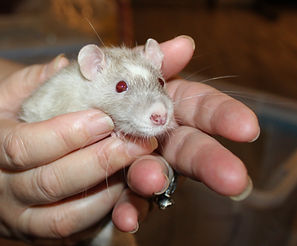
A pet rat that freezes, squeaks, twists, or bolts when picked up is not being “dramatic.” It is showing a normal stress response to an interaction that feels unsafe.
Rats are intelligent, social animals with strong memories. They learn who brings food, who moves slowly, who respects their space, and who suddenly clamps a hand around them. That learning matters. A rat that has been grabbed often does not just dislike being picked up for a moment. It may begin to avoid hands, hide when the cage opens, or feel tense during playtime.
Good handling works with rat behavior instead of fighting it. It gives the rat a sense of control, supports the body securely, and builds a pattern of safe experiences. That approach is kinder, and it is also more effective.
This guide explains why grabbing pet rats can harm trust, what stress looks like in rat body language, and how to handle rats in ways that help them feel comfortable.
Rats are prey animals with fast survival responses
Domestic rats are gentle companions, but they are still rats. Their nervous system is shaped by the same survival pressures as their wild relatives. In the wild, a sudden grab from above can mean a predator. A bird’s claws, a fox’s jaws, or a human hand that appears without warning may all trigger a similar alarm pattern.
That does not mean pet rats are “wild” or untamable. Fancy Rats are domesticated and can become deeply bonded to people. Many enjoy climbing on shoulders, sitting in hoodie pockets, licking fingers, or asking to come out of the cage. The key is that trust grows when the rat reads the human as safe.
A sudden grab sends the opposite message.
When a rat feels threatened, the body can move into a fight, flight, freeze, or fawn response. These are not choices in the human sense. They are automatic survival patterns.
A frightened rat may:
Freeze in place and become stiff
Twist hard to escape the hand
Squeak sharply
Kick with the back feet
Push the handler away with the front paws
Bite if escape feels impossible
Urinate or defecate from stress
Hide for a long time afterward
Refuse treats from the same hand
These responses make sense when seen from the rat’s point of view. A hand reaching into the cage is much larger than the rat. It may come from above, block the exit, smell unfamiliar, and move quickly. If the hand closes around the rat’s ribs or belly, the rat loses control of its body. That is frightening, even if the person means no harm.
Animal welfare guidance from groups such as the RSPCA commonly emphasizes calm, supportive handling for small animals because rough or sudden handling increases fear. Laboratory animal care standards also treat handling as a welfare issue, not just a convenience. The National Research Council’s Guide for the Care and Use of Laboratory Animals describes the need to minimize distress during restraint and handling. Pet homes are different from research settings, but the principle carries over: how an animal is handled affects how safe it feels.
The cage can make grabbing feel worse
Many grabbing problems happen at the cage door. This is the rat’s home base. It holds familiar smells, food, nest material, cage mates, and escape routes. If a hand enters and immediately grabs, the rat may learn that the cage door predicts being trapped.
This can create a pattern:
The cage opens.
A hand reaches in.
The rat runs or hides.
The person moves faster to catch the rat.
The rat becomes more afraid next time.
That cycle can make a friendly rat seem “skittish” or “mean,” when the real issue is that the handling method keeps confirming the rat’s fear.
A better goal is to make the cage door predict choice, treats, and calm contact. The rat should learn that hands do not always mean capture. Sometimes they mean a pea, a sunflower seed, a gentle scratch, or a chance to climb out.
Young rats are still learning what hands mean
Baby Rats often move fast, nibble everything, and startle easily. They may not yet understand how to interact with people. If a baby rat is repeatedly snatched up, it can learn avoidance before trust has time to form.
Gentle early handling can help, especially when it is short, positive, and paired with food. Many well-socialized rats from a responsible Rat Breeder have already had calm human contact, but even then, a new home is stressful. A rat for adoption may have unknown handling history and may need even more patience. Whether someone is new to Rats as Pets or has kept Pet rats for years, the same rule applies: trust is built through repeated safe handling, not forced contact.
Grabbing can harm trust and may also risk injury
Grabbing is not only emotionally stressful. It can also be physically unsafe.
Rats have flexible bodies, but they are not built to be squeezed, dangled, or restrained tightly. A rat that panics may twist with surprising force. If the person tightens their grip to prevent escape, pressure can fall on the ribs, abdomen, shoulders, or hips. If the rat slips, it may fall from a height.
Common risky handling habits include:
Lifting a rat by the tail
Pinning the rat against the cage floor
Snatching the rat from a hide
Grabbing around the middle with one hand
Holding tightly while the rat struggles
Pulling the rat out while it grasps cage bars
Chasing the rat around the cage with both hands
Tail lifting deserves special attention. A rat’s tail helps with balance and temperature regulation, but it is not a handle. Lifting by the tail can cause pain, panic, and injury. In emergencies, experienced handlers may briefly control the base of the tail to prevent a fall or direct movement, but that is not the same as suspending the rat by the tail. For routine pet care, rats should be supported under the body.
Stress can shape behavior after the moment passes
A rat does not need to be injured to be affected. Stressful handling can change future behavior through learning.
Rats are good at making associations. If a hand grabs them right before medication, nail trimming, cage cleaning, or unwanted confinement, the hand becomes part of the stressful event. The next time that hand appears, the rat may hide sooner or bite faster.
This is basic associative learning, the same process that helps animals learn that a clicker predicts a treat or that a carrier predicts a veterinary visit. The American Veterinary Society of Animal Behavior and other behavior-focused organizations often discuss how fear-based handling can worsen avoidance and defensive behavior across species. Rats are no exception.
A rat that bites during grabbing is often communicating, “I cannot get away.” Defensive bites are most likely when the rat feels trapped. Punishing the rat after a bite usually makes the problem worse because it adds another scary result to human contact.
A more useful question is, “What happened right before the bite?”
Possible triggers include:
A hand entered a sleep area
The rat was cornered
The rat was pulled from a hide
The rat was surprised from above
The rat was in pain or unwell
The handler smelled like food
The rat was guarding babies, food, or a favorite space
The rat had no way to retreat
When the trigger is understood, handling can be changed. That protects both the rat and the person.
Forced handling may be necessary sometimes, but it should not be routine
There are times when a rat must be picked up quickly. A rat may be near danger, need urgent medical care, or escape into an unsafe area. Safety comes first in those moments.
The difference is that emergency restraint should not become the normal relationship. Routine interaction should be calm and cooperative whenever possible. If medical care requires daily handling, the process can still be made gentler by using predictable cues, food rewards, towels, carriers, and short sessions.
For example, a rat that needs medication may panic if grabbed from the cage twice a day. A better plan may be to teach the rat to enter a small carrier for a treat, move the carrier to a safe surface, then offer medication mixed with a vet-approved food. If direct dosing is required, the handler can keep the session brief, support the body well, and follow with a high-value reward.
The goal is not perfect handling every time. The goal is to reduce fear where it can be reduced.
Rat body language shows comfort, worry, and distress
Rats communicate constantly. Much of that communication is subtle. Reading it helps prevent grabbing because it tells when a rat is ready for contact and when it needs space.
A relaxed rat often looks loose and curious. The body moves smoothly. The whiskers sweep forward and around. The rat may approach the hand, sniff, place front paws on the person, or climb onto a sleeve. Some rats brux, which means they softly grind their teeth. Bruxing can happen during comfort, but it can also appear during stress or pain, so context matters. Eye boggling, when the eyes gently pulse because of jaw movement during bruxing, is often seen during relaxed moments, but again, the whole body picture matters.
A worried rat looks different. The body may lower. Movement may become jerky. The rat may stretch forward to sniff while keeping back feet planted for a quick retreat. Ears may pull back. The rat may avoid looking directly at the hand, retreat into a corner, or sit very still.
A severely distressed rat may squeal, lunge, bite, thrash, puff up, or frantically attempt escape.
Here is a practical body language guide.
What the rat does | What it may mean | Better response |
Approaches with loose body and active whiskers | Curious or comfortable | Offer a hand to sniff and allow climbing |
Takes a treat and stays nearby | Interested but still assessing | Keep movements slow and repeat positive contact |
Stretches forward while back feet stay ready to run | Cautious | Do not grab. Let the rat choose the distance |
Freezes when touched | Afraid, overwhelmed, or unsure | Pause, soften contact, and give an exit |
Squeaks sharply during pickup | Pain, fear, or protest | Set the rat down safely and reassess technique |
Pushes hand away with paws | Wants more space | Respect the signal and try again later |
Puffs fur, side-steps, or lunges | Defensive or highly stressed | Stop reaching in and use a slower trust-building plan |
Hides every time the cage opens | Cage approach has become scary | Rebuild the cage door routine with treats and choice |
Body language should be read in context. A rat that squeaks during play with another rat may be setting a social boundary. A rat that squeaks when a person squeezes its body is likely alarmed or uncomfortable. A sleepy rat may move slowly because it just woke up, while a threatened rat may move slowly because it is freezing.
The best handling comes from watching patterns, not single signals.
Signs that handling should stop
Some rats tolerate more contact than others. Individual personality matters. Age, health, hormones, past experiences, and the setting all affect response.
Stop or slow down if the rat shows several of these signs:
Repeated attempts to flee
Sharp squeaking
Stiff posture
Rapid breathing
Puffed fur
Tail lashing or tense tail
Defensive lunging
Biting or warning nips
Refusing a favorite treat
Hiding after every session
Struggling harder each time the hand closes
A rat that refuses a favorite treat is giving useful information. Food is motivating for many rats. If a normally treat-loving rat cannot eat during handling, stress may be too high for learning. In behavior training, this is often a sign to make the task easier.
That might mean moving farther away, using a lower-value step, offering contact through the cage bars first, or ending the session before the rat feels trapped.
Pain can look like “bad behavior”
A rat that suddenly hates being picked up may be in pain. Arthritis, injury, respiratory illness, abdominal discomfort, dental problems, tumors, and skin irritation can all make handling unpleasant. Rats are prey animals, so they may hide illness until it becomes serious.
A sudden change in handling tolerance should be taken seriously, especially if it comes with:
Weight loss
Porphyrin staining around the eyes or nose
Noisy breathing
Lethargy
Hunched posture
Change in appetite
Swelling or lumps
Limping
Overgrooming or scratching
Aggression that seems new
Veterinary care is the right next step when behavior changes quickly or pain is possible. Better handling cannot fix a medical problem, though it can make care less frightening.
Gentle handling gives rats control and support
The safest handling methods share two features: the rat feels supported, and the rat has some choice.
Choice does not mean the rat can do anything anywhere. It means the interaction is set up so the rat can approach, pause, retreat, and try again without being chased. Choice reduces panic. It also teaches the rat that the person listens.
Start by changing how the hand enters the cage
Hands should move like a calm object, not a predator.
A good cage approach looks like this:
Open the cage slowly.
Speak softly or use the same gentle cue each time.
Offer a treat near the door.
Let the rat come forward.
Present the back of the hand or fingers low and still for sniffing.
Avoid reaching over the rat from above.
Let the rat retreat without pursuit.
This process may feel slow at first, but it often saves time later. A rat that chooses to approach the door is easier to handle than a rat that must be chased through hammocks, hides, and litter pans.
For nervous rats, start with contact through the bars. Offer a small treat on a spoon if the rat may bite from fear or food excitement. Soft foods such as plain yogurt or baby food can encourage licking rather than grabbing, but use foods that are safe for rats and keep portions small.
Once the rat approaches calmly, place a treat on the palm. Let the rat step onto the hand to get it. At first, do not lift. Let the rat learn that stepping on the hand does not always remove it from safety.
Use a scoop instead of a grab
A gentle pickup supports the body from below. Think of lifting a small, living loaf of bread, not catching a fish.
A basic two-hand scoop works well for many rats:
Place one hand low in front of the rat or beside the chest.
Use the other hand to support the back end.
Scoop from underneath rather than closing from above.
Keep the rat close to the body or a safe surface.
Let the feet touch your hands, arm, chest, or lap.
Set the rat down before it starts to panic.
Many rats feel safer when their feet have contact. Dangling in midair can trigger struggling. Holding the rat against the chest, on a forearm, or over a lap gives more support.
For a rat that is still learning, lift only an inch or two at first, then set it down and reward. Short, easy repetitions teach, “Being lifted is brief, safe, and good things happen.”
A sample first session may look like this:
Treat at the cage door
Rat steps onto hand
Hand lifts slightly for one second
Rat goes back down
Treat appears
Session ends
That may seem tiny, but tiny steps build real trust.
Use carriers, tunnels, and familiar objects
Some rats dislike hands but happily enter objects. This can be useful and humane.
A small carrier, bonding pouch, open box, plastic tunnel, or hide can become a transport tool. Place treats inside and let the rat explore it during relaxed moments. Once the rat enters willingly, the object can be moved short distances.
This is especially helpful for cage cleaning, vet visits, or moving nervous rats to a playpen. It avoids the chase-and-grab pattern.
The training plan is simple:
Put the carrier or tunnel in the cage or play area.
Add treats inside.
Let the rat enter and leave freely.
Repeat until entry is relaxed.
Briefly lift or move the object a short distance.
Reward after the move.
Increase distance slowly.
This method also helps with rats that are new, elderly, visually impaired, or recovering from illness.
Keep handling sessions short and successful
Rats learn from how a session ends. If every handling attempt ends with panic, the rat remembers panic. If sessions end while the rat is still calm, the rat gains confidence.
Early sessions may last only a few seconds. That is fine.
Aim for:
Calm start
Small goal
Reward
Safe return
End before distress rises
A confident rat may enjoy longer handling, shoulder time, or lap play. A shy rat may prefer climbing on a blanket near the person. Comfort is individual.
Trust-building is not a race. Some rats warm up in days. Others take weeks or longer, especially if they had rough handling before. Progress may look like a rat taking a treat, staying at the cage door, or allowing one gentle touch. Those are meaningful wins.
Better interaction comes from consent-based routines
“Consent” in animal handling means paying attention to approach and retreat. The rat cannot sign a form or understand human plans, but it can show willingness or refusal through behavior.
A consent-based routine asks:
Did the rat approach?
Is the body loose?
Does the rat stay engaged?
Can the rat leave?
Does the rat come back after a pause?
Is the rat taking treats normally?
Does the rat recover quickly after contact?
If the answer is yes, the interaction is likely within the rat’s comfort range. If the rat keeps leaving, freezing, or pushing the hand away, the plan needs to change.
Train useful handling cues
Rats can learn simple cues through positive reinforcement. Food rewards work well because rats are natural foragers, but social attention and access to play can also be rewarding for some individuals.
Useful cues include:
Step up
Teach the rat to place front feet, then all four feet, onto the hand. Reward each step. Later, add a gentle lift.
Come to the door
Make the cage door a reward station. This reduces chasing and helps with daily care.
Go in the carrier
Reward the rat for entering a carrier or tunnel. This helps with transport and vet visits.
Shoulder or sleeve cue
Some rats enjoy climbing onto a shoulder or into a sleeve. Teach this only in a safe area where a fall is unlikely.
Station on a mat
A small fleece square or low platform can become a station. Reward the rat for standing there. This can help during health checks.
Training should be short and low pressure. If the rat leaves, let it. A rat that returns by choice is learning that participation is safe.
Build trust during daily care
Trust is shaped by ordinary moments, not only formal handling sessions.
A rat notices whether the water bottle change is calm, whether the food bowl appears without being shoved, whether bedding changes destroy every scent marker, and whether a sleeping spot is disturbed without warning.
Small habits help:
Talk softly before opening the cage.
Avoid waking rats by grabbing into a nest.
Keep one familiar-smelling item during cage cleaning.
Offer treats after routine care.
Move hides gently rather than yanking them up.
Let rats exit a hammock before removing it.
Use a playpen or secure area for out-of-cage time.
Sit on the floor when handling new or wiggly rats.
Sitting on the floor is simple risk management. If the rat jumps, the fall is short. A bed, couch, or table may seem convenient, but rats move quickly and can misjudge edges.
Respect individual preferences
Some rats love being held. Others prefer to climb, explore, and check in without sitting still. A rat can be tame and affectionate without enjoying restraint.
Signs of affection in rats may include:
Voluntarily climbing onto the person
Grooming hands or hair
Relaxing in a sleeve or hood
Returning after exploring
Taking treats gently
Bruxing during calm contact
Seeking scratches behind the ears or shoulders
A rat that does not like cuddling is not a failed pet. It may show trust through curiosity, play, or calm presence. Respecting preferences strengthens the relationship because the rat does not have to defend its boundaries.
When a rat has already learned to fear hands
A rat with a history of grabbing needs a reset. The first step is to stop repeating the scary pattern. Then rebuild the meaning of hands through predictable, positive contact.
A gentle reset plan can look like this:
For a few days, avoid picking up unless necessary.
Offer treats at the cage door without reaching for the rat.
Let the rat sniff the hand and leave.
Reward any voluntary approach.
Use a spoon for soft food if biting is a risk.
Add brief touches only when the rat stays relaxed.
Teach stepping onto the hand before lifting.
Use a carrier or tunnel for transport.
Keep sessions short and end on calm behavior.
Defensive rats often improve when they no longer feel chased. Biting may decrease when the rat has other ways to say no and when the person responds to earlier signals.
If aggression is severe, sudden, or paired with signs of illness, a veterinarian should rule out pain or medical causes. Hormones can also affect behavior, especially in some males, and a rat-savvy veterinarian can discuss options.
Gentle handling is safer, kinder, and more effective
Grabbing pet rats may seem quick, but it often creates the very problem it tries to solve. A frightened rat becomes harder to catch, more likely to hide, and more likely to defend itself. The handler may resort to faster movements and tighter restraint, which deepens the rat’s fear.
Gentle handling takes a different path. It uses the rat’s natural curiosity, social intelligence, and ability to learn. It supports the body, avoids surprise, and gives the rat a chance to participate.
The best rule is simple: make the hand a place of safety, not a trap.
A pet rat that trusts hands will often come to the cage door on its own. It may step up, ride on a shoulder, accept health checks, and recover faster from necessary care. That comfort is not built through force. It grows from many small moments where the rat learns that the person sees its signals and responds with patience.


Comments